Access, Availability and the Future of Repertory Films
It’s no secret that in recent years audience interest in repertory titles has been rapidly increasing. Re-releases of classics have become a fixture in the theatrical calendar, and excitingly, younger audiences — inspired by a mixture of cinephilic curiosity and sepia-tinged nostalgia — seem to be particularly susceptible to the trend.
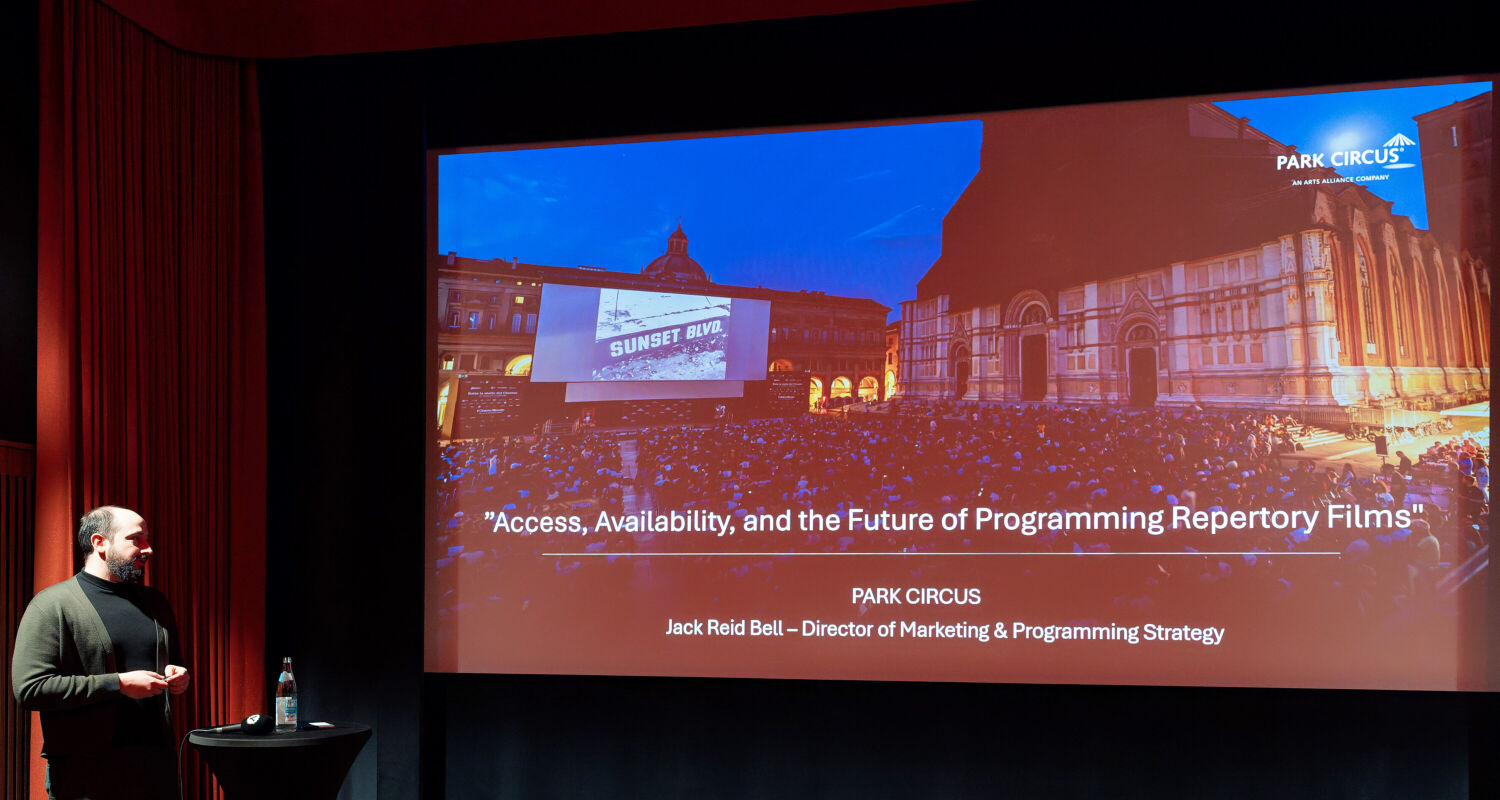
Park Circus is probably the best known distributor working in this space, facilitating access to over 25,0000 back catalogue titles from some of the biggest Hollywood and British film studios. As part of CICAE Arthouse Cinema Meets, which took place during the 76th Berlinale, Jack Reid Bell, Director of Sales and Marketing at Park Circus, drew upon his experience working in the classic cinema space to share ideas about how to maximise the impact of repertory titles and to explain why, for many audiences, the future of cinema might lie in the past.
Why Programme Classic Titles?
The benefits of programming repertory titles are clear. Classic films, be they much loved golden oldies or more esoteric cult movies, usually come with pre-existing, built-in audiences. This provides a strong foundation for cinemas to build on when marketing screenings by, for instance, generating organic word of mouth buzz on social media which can then be capitalised on by cinemas.
With a wealth of film history to draw on, programmers can choose titles to target certain key demographics, either to tap into their venue’s existing strengths, or to build attendance among new age groups. Screening a Golden Age Hollywood in a mid-afternoon weekend slot might perform reliably with older cinema goers, while late night screenings of cult and genre titles could provide a great opportunity to connect with younger audiences.
With older titles, programmers have the benefit of being able to access films well in advance, without waiting for a premiere or official exhibitor screenings. This means that marketing campaigns, special events and thematic tie ins can be planned further in advance than with newer releases. This creates opportunities for clever counterprogramming to complement first run releases, such as director retrospectives to tie in with a high profile new title from an established filmmaker, or thematic seasons which use a contemporary release as a jumping off point into film history.
The Changing Face of Classic Cinema
A key development over the past decade has been an expansion of the idea of what might be considered a “classic.” Millennial nostalgia has played a central role in this, heralding a resurgence of interest in films from the early 2000s, which cinema goers who are now reaching their 30s and 40s remember fondly from their childhood and teenage years. Reid Bell points to successful recent 20th anniversary re-releases of Corpse Bride (2005) and The Descent (2025) as examples of films which would not have previously been considered classics but which have proved successful at reaching nostalgic millennial audiences. Gen Z might not always remember these films first time round, but a widespread pop cultural obsession with the 1990s, fuelled by TikTok and Instagram, has also fed into resurgent interest in films from this period.
Over the past decade, the impact of activism focusing on film industry diversity – such as the #MeToo and #OscarsSoWhite movements – has also led to a growing interest in films previously “left out” of mainstream film history. Increasing appetites for historical work by women, LGBTQI+ and Black filmmakers, as well as classics from the Global South, are particularly notable among younger cinemagoers eager to see greater diversity on screen. “Niche” genres such as animation and horror are also being increasingly embraced by these audiences, while the immense popularity of South Korean and Japanese culture amongst Gen Z is beginning to filter down into cinema audiences.
Shifting ideas of what constitutes classic cinema, has contributed to the changing demographics of audiences for repertory screenings. There has been a lot of excitement recently about the way in which 18-25 year olds, the “MUBI and Letterboxd” crowd, have been turning up in increasing numbers for repertory films in the cinema. Reid Bell echoes this enthusiasm. “I think what we've been most excited about in the last few years is the younger audience that is now coming out to see classics through online communities,” he says. “There’s a lot happening out there which we can really tap into, in terms of visual culture and film culture, which is unlocking different ways of marketing screenings and making film history more accessible than ever before.”
Breathing New Life into Old Movies
So the interest is there, but how can we maximise this potential audience? There are lots of ways to make the programming of classic titles feel fresh. 4k restorations and anniversary re-releases can create a sense of occasion around repertory programming, as can special events built around analogue prints (35mm and 70mm screenings are also enjoying a resurgence, perhaps partly thanks to high profile advocacy of influential filmmakers like Christopher Nolan and Quentin Tarantino).
New marketing materials, trailers and posters are effective ways to repackage older titles. Keeping on top of online trends (especially on Letterboxd, TikTok and Instagram) is a challenge but can provide great inspiration for programmers. Park Circus’s Corpse Bride reissue for instance, timed to coincide with Halloween 2025, harnessed influencer partnerships, Letterboxd newsletter activation and limited-edition merchandise to generate buzz.
A playful approach can be just as effective for old school classic as for newer repertory titles. For a recent campaign around the 75th anniversary 4k re-release of Sunset Boulevard (1950) Park Circus produced standees which invited visitors to take selfies with Norma Desmond, while their campaign around The Apartment (1960), a re-release timed to coincide with Jack Lemmon’s centenary, included a keyring giveaway for cinemas and audiences. “We're really trying to grow our marketing efforts with things that might be quite standard for first run films,” says Reid Bell. “These titles work best when they are part of a broader curatorial strategy. It can be a film people are familiar with, but how is it being presented? How has it been contextualised?”
Another great resource for marketing classic titles is the existing expertise and enthusiasm of your team. “Get your cinema teams involved, your projectionists, your bar staff, your ushers,” advises Reid Bell. The great thing about a lot of people that work in cinemas is that they do so because they love cinema. With repertory films, they'll all have their favourites. Get them involved in your program, and they can, in turn, get involved in the marketing of those screenings as well.”
The Relationship between Distributors, Cinemas and Audiences is Symbiotic
As venues know, audiences often have strong ideas of the titles they want to see, especially when it comes to much loved classics. While we all know how frustrating it is when a much demanded classic is unavailable to screen, Reid Bell is keen to emphasise that the relationship between cinemas, audiences and distributors should be reciprocal.
“Park Circus supports the studios in making films available from their libraries which they might not otherwise have the resource to do themselves,” he says. “But that’s a two-way street with exhibition as well. It’s really important that this is part of people’s programmes, something that we can use to show the studios that there is a genuine appetite to see these films, for them to continue investing in restorations.”
Equally, the requests of cinemas and their audiences can have a real impact on the kind of films which find their way back in theatres. Letting distributors and archives know what films audiences are demanding can help drive the planning of future re-releases. Afterall, yesterday’s new release, is tomorrow’s repertory classic.
17.03.2026

Rachel Pronger
Rachel Pronger is a writer, curator and editor based in Berlin. She began her career working for festivals and cinemas across the UK, including Tyneside Cinema, Edinburgh International Film Festival and Alchemy Film & Arts. She has served as a programme advisor for Sheffield DocFest, BFI London Film Festival, Alchemy Film & Arts and Aesthetica Short Film Festival. Her writing on film and visual art has been published by outlets including Sight and Sound, Documentary Magazine, The Guardian, MUBI Notebook, Art Monthly and BBC Culture, and she is the co-editor of online journal Cinema of Commoning. Rachel is also the co-founder of Invisible Women, an archive activist feminist film collective which champions historic work by women and marginalised gender filmmakers through curation, events and editorial. more from the author