“A Festival of Friends”: New Generation Feminist Film Festivals
Through my work as co-founder of archive activist collective (and CICAE member) Invisible Women, I’m luck enough to sometimes be invited to feminist film events around the world. In summer 2025, I attended two festivals for the first time, based in Azerbaijan and Kazakhstan respectively, which between them offered an inspiring vision of young, vibrant feminist curation. I emerged from that summer energised, full of hope for this new generation of film workers and eager to share this excitement with the wider CICAE community.
Sevil International Women’s Documentary Film Festival (SevilFest) is a documentary festival dedicated to women filmmakers which unfolds across three cities in Azerbaijan: Baku, Shaki and Lankaran. At their most recent edition, which took place from 3-11 July 2026, SevilFest presented more than 40 films, alongside workshops, public events and a reading group. “Our mission is to use documentary films as a starting point for conversations about women, gender, justice and the many social issues that shape our everyday lives,” explains Durna Safarova, who works as an International Relations Manager and Curator for SevilFest. “In Azerbaijan, many of these conversations rarely find space in mainstream public life. We see the festival as a place where people can come together not only to watch films, but also to question, reflect and exchange perspectives.”
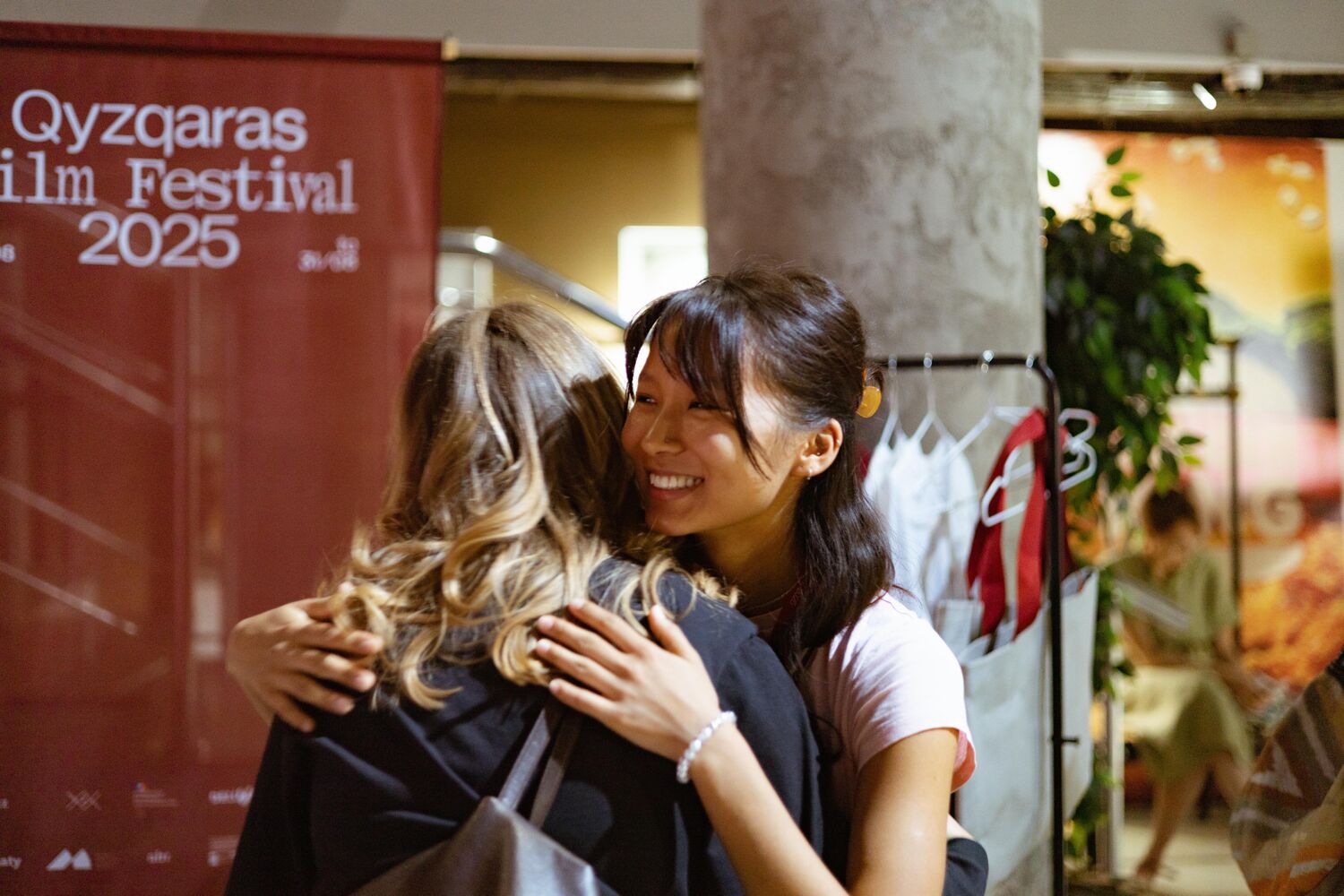
Qyzqaras, is a festival based in Almaty which screens international women-directed films from across the arthouse circuit, with a special emphasis on Central Asian directors. Their third edition will take place 20 – 30 August 2026 and features an ambitious education strand, including a critics workshop and a new lab for emerging curators across the region (our collective, Invisible Women, will be leading the curatorial lab this year). The festival was founded by Malika Mukhamejan, a filmmaker and curator, who started out running pop-up screenings in a rave club. “We built our own screen, we borrowed the projector, so it was all grassroots at first,” she says. After receiving a British Council grant in 2024, Mukhamejan found herself pulling together the first edition of Qyzqaras in only two months, booking a historic cinema in the centre of the city to host the first edition (this year’s edition will be hosted in the newly renovated Tselinny Center of Contemporary Culture).
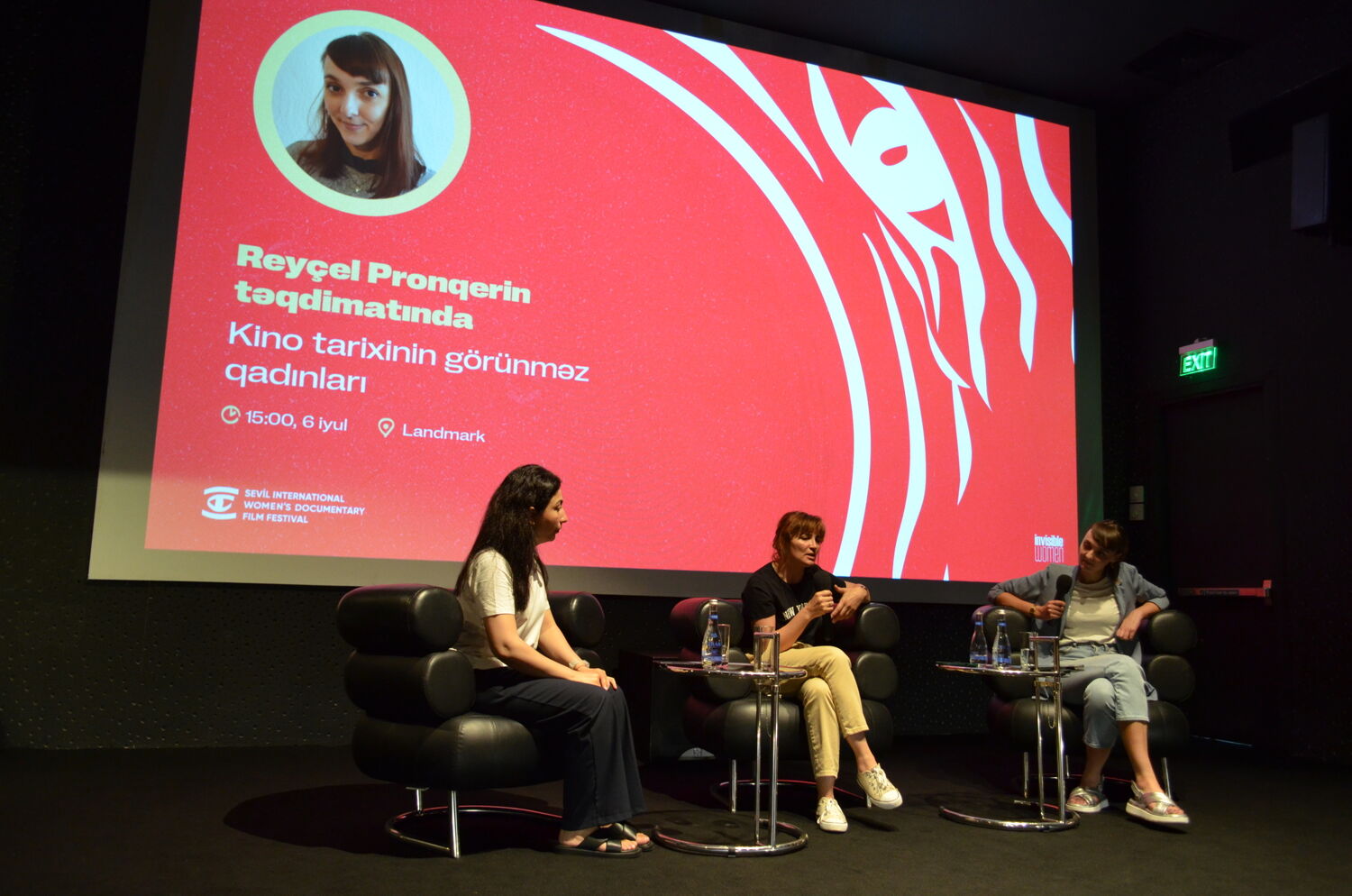
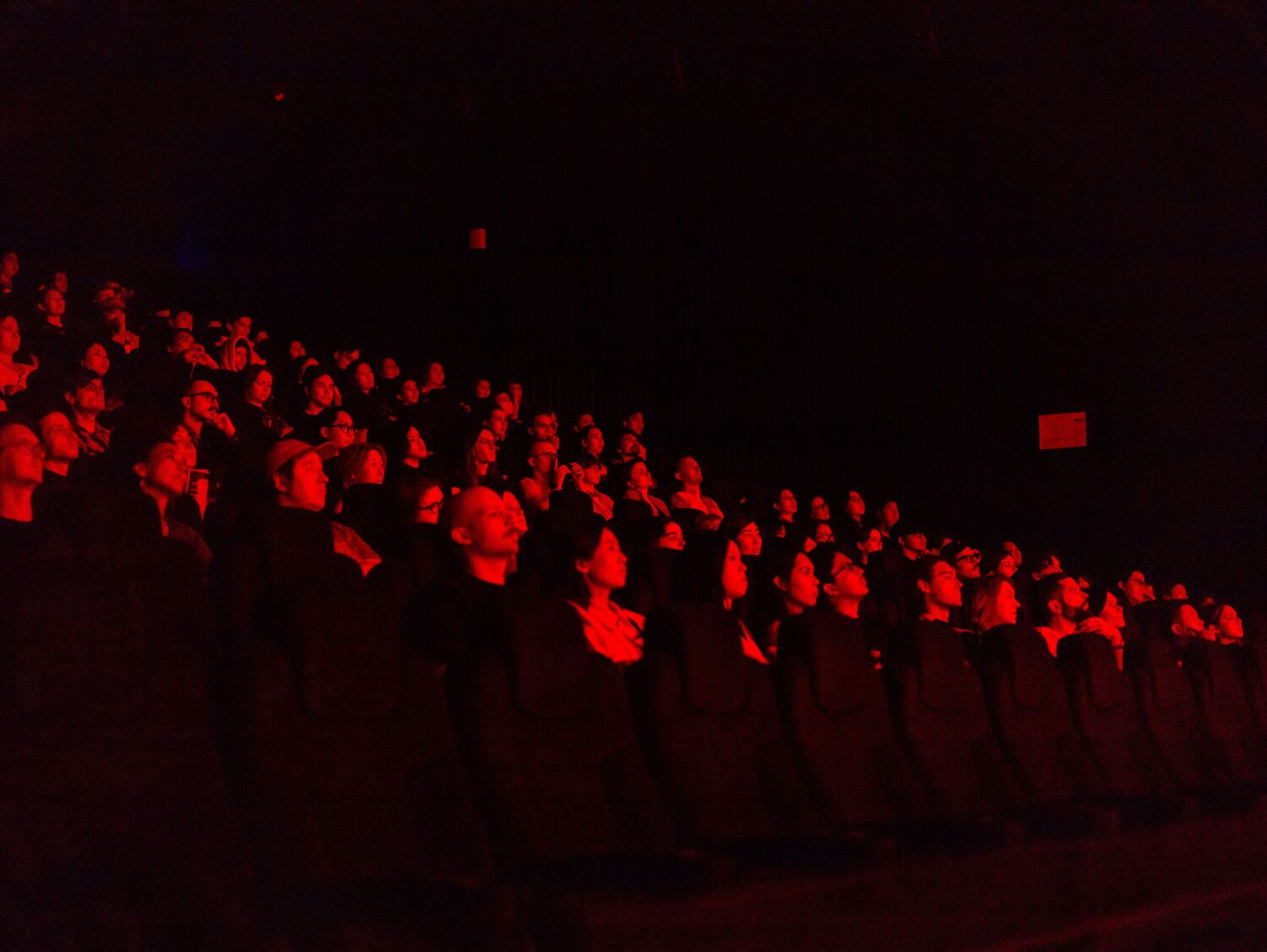
SevilFest and Qyzqaras are very different festivals, operating in distinct national contexts. However, attending both events back-to-back last year, I was struck by the common threads between them. Both are dynamic festivals run by small, energetic teams of curators and filmmakers (many volunteers), which attract young audiences to ambitious titles. In Baku, I was thrilled to see a Chantal Akerman retrospective, including many of her most uncompromising non-fiction titles, screening in auditoriums packed with Gen Z audiences, who would happily sit for hour long post-screening discussions. In Almaty, I was impressed to see festival darlings such as Sorry Baby, Magic Farm and Memories of a Burning Body receiving their Kazakh premieres at this brand new festival. There is a sense of energy, enthusiasm and pure cinephilic joy to organisers and attendees of both these festivals which would be the envy of more established events run by bigger institutions. I should point out too, that both festivals have some of the coolest merch I’ve seen for a long time (designed, of course, by emerging local artists).
Something Different
Curatorially, these festivals are filling a gap in scenes with limited access to non-mainstream cinema. “There are no independent cinemas here, so people lack the opportunity to watch something different than Hollywood films, or Kazakh comedies or genre films,” explains Mukhamejan. “That's why it's not only about empowering women and community building, but also giving Almaty citizens a chance to watch some films.”
Safarova agrees that enabling local audiences to watch films they couldn’t otherwise see in cinemas is central to SevilFest’s offer. “Many internationally acclaimed documentaries never reach Azerbaijani audiences,” she says. “We want our audience to stay connected to what is happening in contemporary documentary cinema around the world while remaining true to our own perspective by focusing on films made by women and gender-diverse filmmakers, or stories that engage with gender-related social issues.”
Film history is also a crucial part of this curatorial mission. Since 2023, Safarova has curated ambitious retrospectives dedicated to filmmakers otherwise unknown in Azerbaijan, including recent focuses on Akerman and Heddy Honigmann. “I believe film history should not begin and end with the same familiar names,” explains Safarova. “We want Azerbaijani audiences to discover the women who have shaped documentary cinema but whose work has rarely been accessible here.” A key takeaway has been not to underestimate the audience. Prior to the Honigmann retrospective, Safarova couldn’t find a single reference to the Dutch filmmaker in Azerbaijani language sources, yet audiences still responded powerfully to those screenings. “Experiences like this show us that audiences are often far more curious than we assume, if we trust them and provide the right context.”
Keeping It Local
International titles play an important role in these programmes, but at the same time both SevilFest and Qyzqaras, are dedicated to offering support to local women filmmakers. SevilFest runs a competition for Azerbaijani short film and screens features with Azerbaijani connections prominently where possible. A highlight of my visit in 2025, was watching Rena Effendi’s Searching for Satyrus, a film set on the militarised border between Armenia and Azerbaijan, and listening to an emotional but constructive discussion afterwards led by the local audience.
For Mukhamejan, the spark of inspiration for Qyzqaras came from being part of a wave of young women Kazakh filmmakers (including Assel Aushakimova and Aizhan Kassymbekova) who at the time were finding acclaim on the international festival circuit without receiving much attention back home. Qyzqaras is non-competitive, but central Asian titles are central to the programme. “I am really proud that we have premiered Central Asian films here, because I saw how important it is for filmmakers and for their families and friends, to screen their films at home,” says Mukhamejan. It's great to screen at a big film festival, but it's always special to screen your film at home, and to discuss it with your people.”
Making Space
Inevitably, when we talk about feminist film festivals, particularly in an increasingly volatile global political context, we are also talking about activism. SevilFest was founded in 2020 by the journalist Aygun Rashidova, in response to an alarming rise in femicides and gender-based violence across Azerbaijan. “Aygun wanted to create a space where documentary cinema could become a catalyst for conversations about women's lives, justice and equality, while also strengthening the position of women in the film industry,” explains Safarova.
Qyzqaras was also founded in response to a sense of injustice. When Mukhamejan returned to Almaty after studying film in Moscow, she found herself locked out of a film industry which had little belief in women directors. “I decided to create for myself a little door, to build a community with women filmmakers here,” she says. That community became a series of pop-up short film screenings, which grew into the thriving film festival we see today.
Doing this kind of work is not easy though. Mukhamejan acknowledges that the festivals commitment to screening political films, including films with LGBTQI+ content puts Qyzqaras in a vulnerable position during a period of rising conservatism. “We don’t try to promote ourselves too much,” she says. “I’m always afraid that some more conservative audiences will come to jeopardize us… We need to be conscious that maybe someone might love to come and complain about us on the internet, and that this could create some kind of scandal. We haven’t faced it yet, but there is this little threat that is always in the air.”
An International Ecosystem
This sense of political engagement has fed into a sense of transnational solidarity which is essential to how the feminist film sphere operates. Our world is a small one, and it’s not unusual for an organisation to be the only group focusing on feminist curation in their city or region. While we all operate in unique national contexts, many common issues emerge as feminist curators swap stories – censorship, limited or compromised access to public funding, industry sexism and increasingly conservative rhetoric, are themes which come up again and again.
Thanks to these shared struggles, this international community is close knit and collaborative. “Rather than seeing festivals as isolated events, we see them as part of an international ecosystem where women support one another, share knowledge, open doors and strengthen independent documentary culture across borders,” says Safarova, namechecking collaborations with likeminded initiatives such as Qyzqaras, Invisible Women, Her Docs in Poland and the Centre Audiovisuel Simone de Beauvoir in France as examples. “Over just seven years, these collaborations have grown into something much deeper than guest invitations.”
Mukhamejan agrees that this sense of international solidarity is crucial to keeping Qyzqaras going. “I love that there are so many other collectives, other initiatives throughout the world with whom we can collaborate and come up with something and apply to some grants together,” she says, citing the Netherlands-based screening series Asian Movie Night and the Belgian collective Ursula as key collaborators.
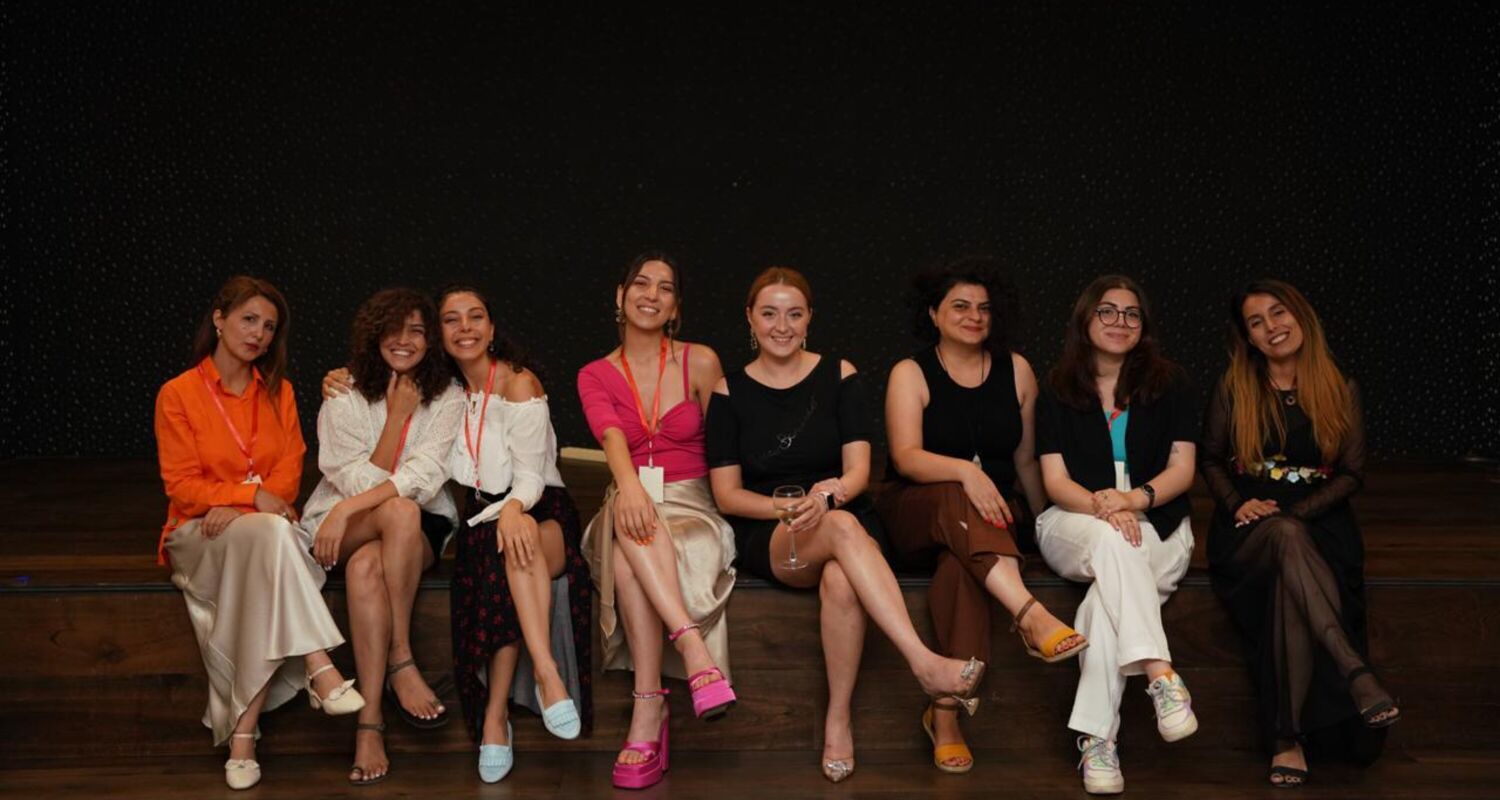
This sense of genuine friendship – both international, country-spanning friendships and those we make at home, within our own communities – is part of what makes attending festivals such as SevilFest and Qyzqaras so special. For Mukhamejan, the power of her festival lies in how personal it feels. “I feel like it's a festival of friends, and I love that,” she says. “People are coming again and again, and we see each other on the streets, and say ‘Hey, I saw you at the festival!’” That's what I love, that it's something for community.”
14.09.2026
Rachel Pronger
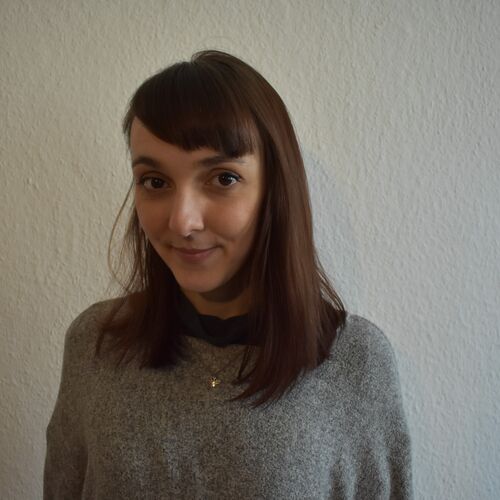
Rachel Pronger is a writer, curator and editor based in Berlin. She began her career working for festivals and cinemas across the UK, including Tyneside Cinema, Edinburgh International Film Festival and Alchemy Film & Arts. She has served as a programme advisor for Sheffield DocFest, BFI London Film Festival, Alchemy Film & Arts and Aesthetica Short Film Festival. Her writing on film and visual art has been published by outlets including Sight and Sound, Documentary Magazine, The Guardian, MUBI Notebook, Art Monthly and BBC Culture, and she is the co-editor of online journal Cinema of Commoning. Rachel is also the co-founder of Invisible Women, an archive activist feminist film collective which champions historic work by women and marginalised gender filmmakers through curation, events and editorial. more from the author