Video Games and Cinema: What Arthouse Exhibitors Need to Know About Machinima and Transmedia Storytelling
For a long time, video games and arthouse cinema have been treated as parallel universes, with the exception of occasional video game adaptations reaching cinema screens. But that distance is closing. In last year’s article, we wrote about how cinemas have begun experimenting with gaming as alternative programming, such as esports screenings and gaming sessions. Now, a further conversation is taking shape: games not as events alongside film, but as a source of cinema itself. In early May 2026, CICAE Arthouse Cinema Meets brought together game producer Mafalda Duarte and film curator Dmitry Frolov for an online session dedicated to the intersection of the two fields. The timing feels right: gaming is now the world's largest entertainment sector by revenue, already outpacing filmed entertainment several times over, and the artistic implications of that scale are only beginning to reach the cinema circuit.
Transmedia Storytelling: When the Film and the Game Share the Same World
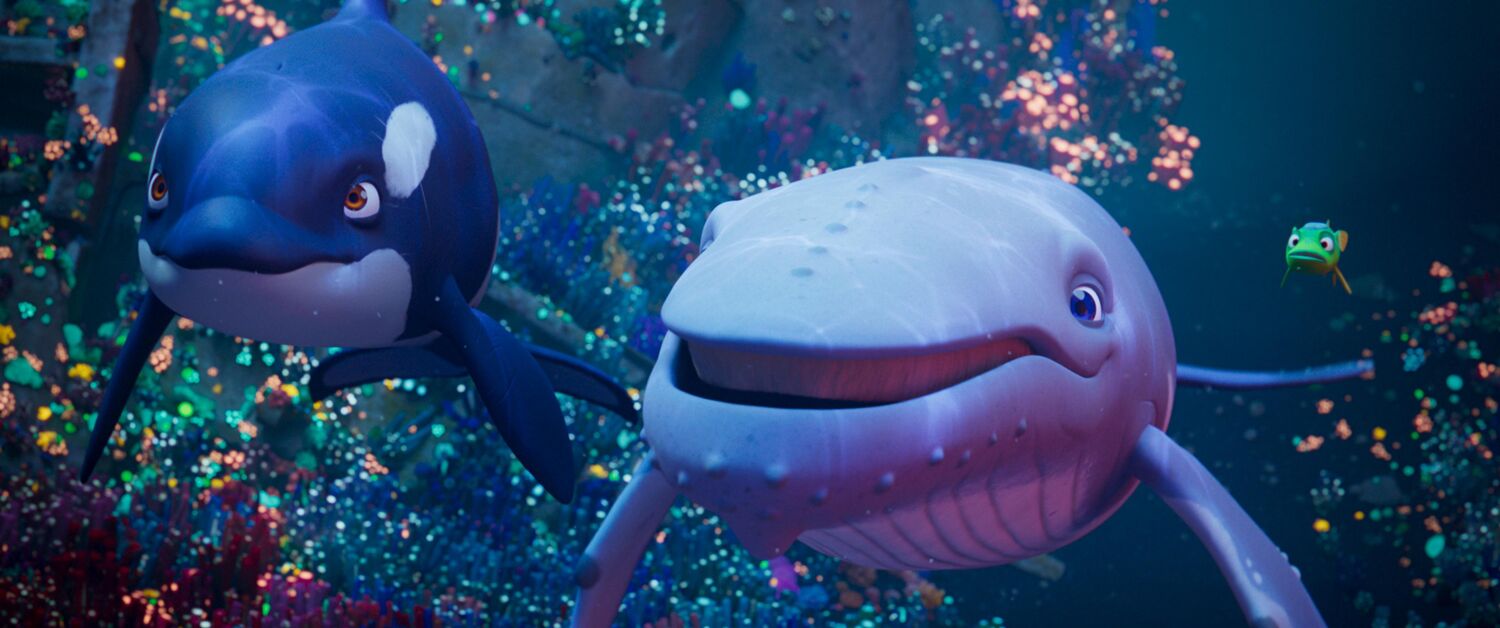
Mafalda Duarte is a Portuguese-born game producer and studio director based in Berlin, currently Chair of the IGDA Berlin chapter and Ambassador Coordinator for Women in Games. With a background in animation and interactive design, she has built her career specialising in the intersection of cinematic storytelling and game production — notably as Studio Director at Telescope Game Studios, the games arm of Telescope Animation, where she led the development of The Last Whale Singer, a transmedia universe built entirely within Unreal Engine. Her presentation addressed something that rarely surfaces in film exhibition contexts: creative universes where a film and a game are developed together from the outset, sharing assets, characters and story DNA.
The award-winning animated feature film The Last Whale Singer — the story of Vincent, a young humpback whale who must confront his destiny to save the oceans — shares its world, characters and digital assets with the narrative game Lani's Call: A Tiny Whale Singer Story (available on Steam and itch.io), in which players follow Lani, another whale from the same universe, on her own underwater adventure, as well as a children's interactive storybook app. This is not the transmedia of franchise marketing; it is transmedia as a structural condition of the story itself, where each platform stands alone while deepening the others
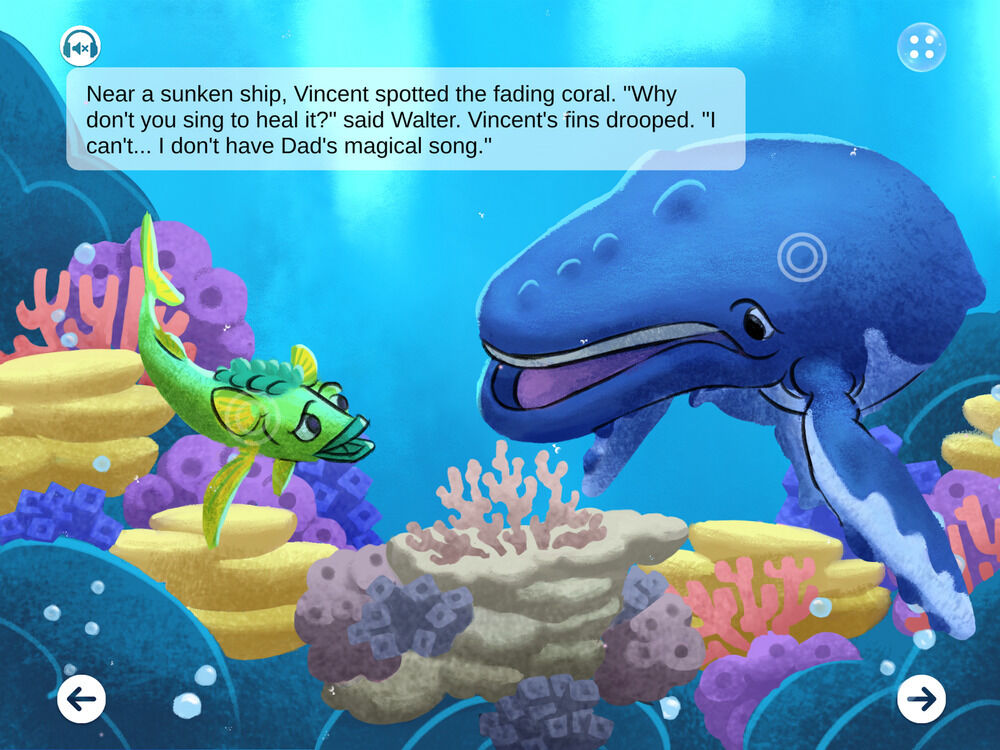
Programming a work that shares its characters, world and visual assets with a game already offers something different from programming a standalone film — and that difference can be made tangible through the way the event is framed. A transmedia screening announced as an encounter with a universe that lives across multiple media may offer a more interesting angle for communication, and could open the door to audiences who might not otherwise engage with arthouse cinema. Whether this translates into higher attendance is, frankly, an open question — this remains relatively uncharted territory for most arthouse cinemas. But the connection is worth making visible: in programme notes, in the announcement, in social media posts. And for venues with the appetite to experiment, the game itself suggests formats beyond the standard screening — an afternoon gaming session for families around Lani's Call, for instance, or a workshop where younger audiences can explore the same visual world they will later encounter on screen.
Machinima: A New Form Finding the Big Screen
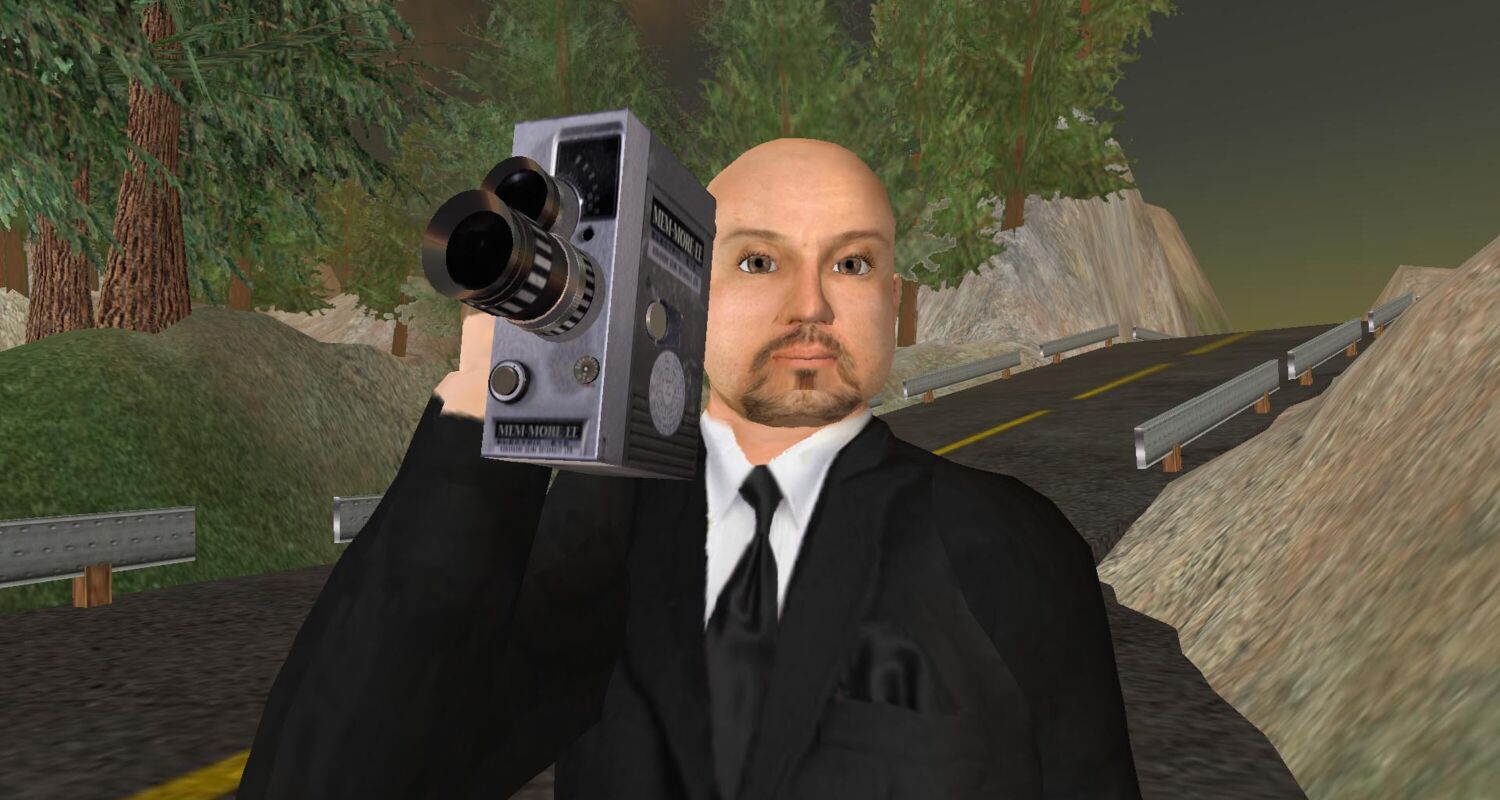
If Duarte comes from the games industry, Dmitry Frolov approaches the same intersection from cinema and contemporary art. A Berlin-based curator working across arthouse cinemas, festivals, museums and cultural institutions, he co-curated the first major machinima programme at a European film festival, at Oberhausen in 2023. But what does the word actually mean? Machinima is a portmanteau of "machine" and "cinema" — the practice of creating films using video games or game engines as the production environment.
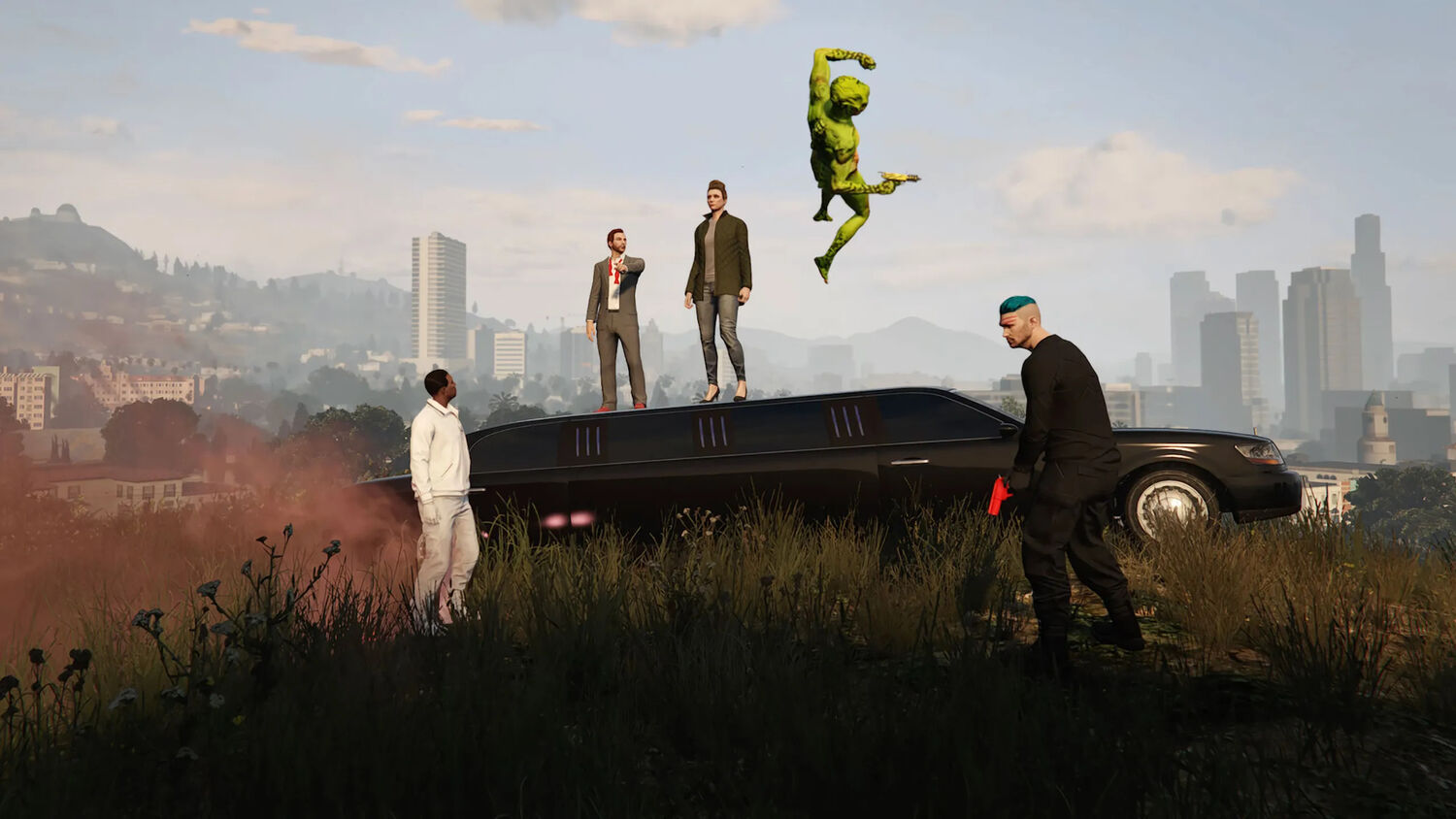
Machinima has existed since the 1990s, when gaming fan communities began recording and editing in-game footage into short narratives, but it has recently begun to enter arthouse festival circuits and, crucially, theatrical release. Three recent features make the case. Grand Theft Hamlet (2024), co-directed by documentary filmmaker Pinny Grylls and actor Sam Crane, follows two theatre actors who staged a full production of Shakespeare's play inside Grand Theft Auto Online during the COVID lockdowns. Shot entirely with in-game camera tools, it won the Jury Award for Best Documentary Feature at SXSW, received theatrical releases in the UK and US, and is now streaming on MUBI — and remains one of the most critically successful machinima to date. In Knit's Island (2023), French directors Ekiem Barbier, Guilhem Causse and Quentin L'Helgouac'h spent 963 hours inside the survival game DayZ filming its virtual inhabitants, extending the traditions of direct cinema into digital space; the film won the Jury Prize at Visions du Réel. And Caroline Poggi and Jonathan Vinel's Eat the Night (2024), shown in the Directors' Fortnight at Cannes, weaves custom-built game-engine imagery throughout a live-action love story and thriller, treating virtual and real space as continuous rather than opposed.
Writing in 2000, famous American film critic Roger Ebert reflected on the earliest stirrings of what would become machinima, describing this practice as revolutionary. A quarter of a century later, the revolution reached the festival circuit and cinemas. Today, none of these films require their audiences to be gamers. Arthouse aficionados, already accustomed to unfamiliar aesthetic worlds, are well placed to receive them. A brief contextualising introduction — explaining where the images come from or how the game environment was used — might be sufficient. Think of it as the equivalent of introducing the formal conventions of a silent film or slow cinema.

One legal dimension worth understanding: machinima often uses copyrighted game imagery without a license. In practice, no major developer has ever taken legal action against these filmmakers, recognising that doing so would damage their relationship with the fan communities on which their business depends. As the form grows in visibility, however, filmmakers are increasingly formalising this relationship, entering into agreements with game developers and moving onto firmer legal ground — a sign that the industry itself is beginning to take machinima seriously as a creative practice.
Who Gets to Play?
Both machinima and the games industry more broadly have a gender imbalance that mirrors — and in some respects exceeds — the one the arthouse film canon has only recently begun to address. Development and leadership roles in games remain male-dominated, and machinima, born within gaming culture, has largely inherited this skew. Duarte's advocacy work with Women in Games is directly aimed at shifting the structural conditions that produce it.
Tellingly, Grand Theft Hamlet is co-directed by Pinny Grylls, who previously co-founded the Birds Eye View Film Festival, dedicated to championing film by women and non-binary makers. This biographical detail allows us to read the film as part of a broader move towards equality — in representation and access — across moving-image culture, machinima and games included. Of course, the responsibility for this movement also falls on festival and cinema programmers.
A New Audience and Experiments for November
Machinima and game-related works will in all likelihood increasingly seek out cinema spaces, drawn by their immersive qualities. The intersection of cinema and games opens up a potential point of entry into new audiences for exhibitors: thematic programmes pairing machinima with related films, or events that bring gaming and film communities into the same room, allow a cinema to position itself at a cultural crossroads while remaining a relevant and timely cultural space.
If you are not sure where to start, European Arthouse Cinema Day returns in November and offers an excellent opportunity to experiment. Whether you choose one of the films mentioned above or organise a gaming session around a transmedia project, you can try out new formats under the umbrella of an international arthouse event. The broader ambition — building an ongoing relationship with gaming communities rather than staging a single themed evening — is well within reach for cinemas that approach it with the same intentionality they bring to audience development work more broadly. The conversation between games and cinema is already underway. The question now is which institutions are ready to give it a home.
11.06.2026

Dmitry Frolov
Curator, researcher and cultural worker active across contemporary art and cinema, with extensive experience in film festivals, art institutions, television, film theatres and education. Dmitry holds an MA in Film Programming and Curating from Birkbeck, University of London, and a BA in Cultural Studies from the Russian State University for the Humanities. He has collaborated with a range of festivals and cultural institutions, including e-flux, Flanders Arts Institute, Fotografiska Berlin, ICA London, Image Forum, Pushkin House, Kunstnernes Hus, AV-arkki, International Short Film Festival Oberhausen, Bucharest International Experimental Film Festival, Multimedia Institute Zagreb, Çatı Gallery, Moscow International Experimental Film Festival, Garage Museum of Contemporary Art, among others. Currently based in Berlin, Germany. more from the author