“It should be a ritual”: Placemaking, Politics and Finding Purpose with Beykoz Kundura
In the early 20th century, the golden age of cinemagoing, movie theatres were sometimes referred to as “dream palaces,” a place where people could escape into a magical alternative world. A century on and a lot of that romance has been stripped away from the cinema experience, diluted by generic multiplexes and the rise of the shopping mall cinema. However, as CICAE members you know that there is still something special about the communal viewing experience. One way in which independent cinemas can capture that magic is through “place-making,” building an identity for your venue which capitalises on your unique location, history and community, and which invites an audience through the door to share that sense of belonging and purpose.
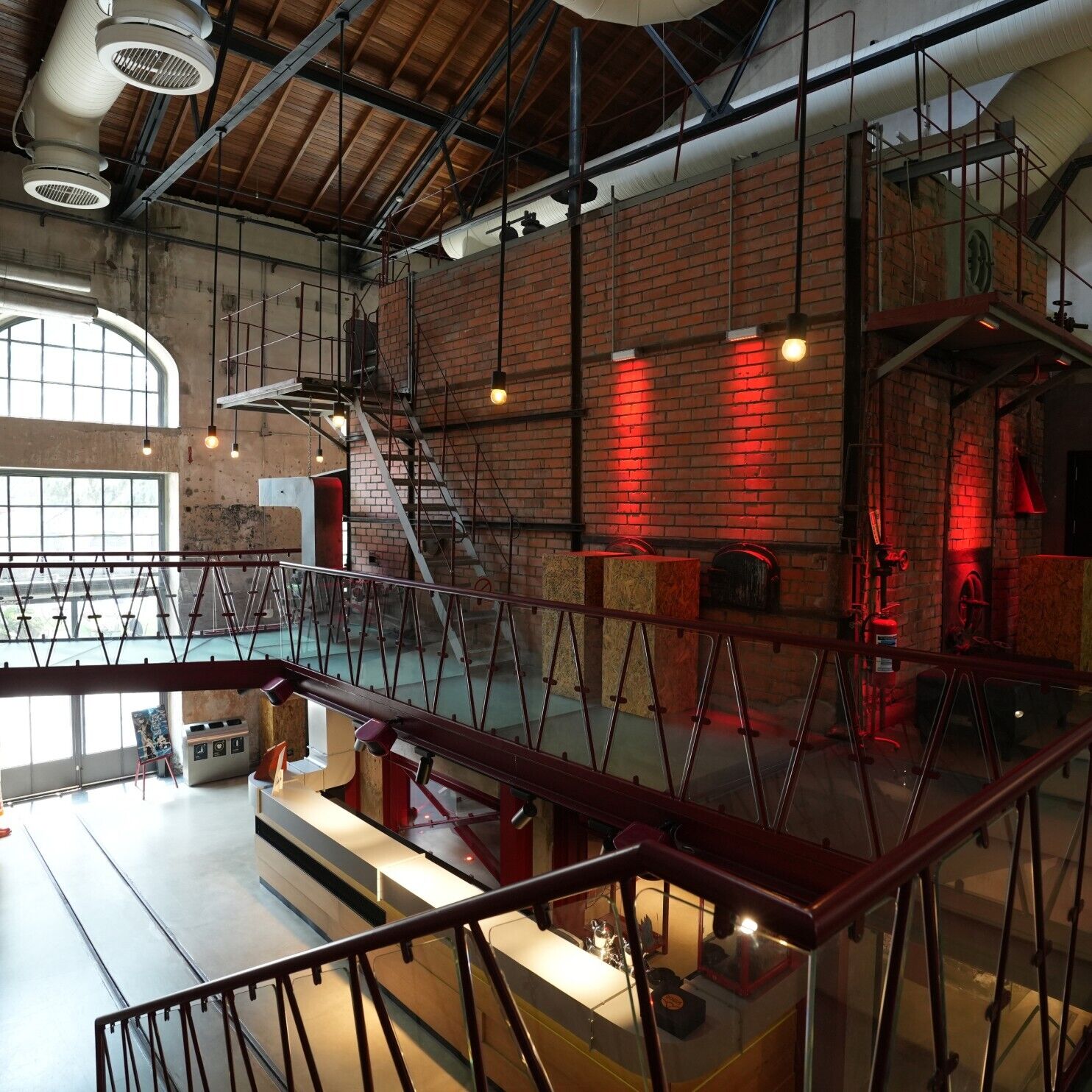
Beykoz Kundura in Istanbul, is a brilliant example of place-making in action. When I first visited in spring 2026, I was immediately struck by the magical atmosphere surrounding this beautiful cultural centre, which lies some distance out of the city, alongside the sparkling blue waters of the Bosporus. Located in a renovated former shoe factory, Beykoz Kundura consists of a series of converted industrial buildings, which house a cinema, theatre, restaurant and workshops. Alongside a rich programme of screenings, performances and filmmaking labs, a museum and archive preserve the site’s industrial history. “It's playful and challenging, but it's always important first to preserve the past and build upon this, as well as interpreting the past within new contemporary narratives,” says Buse Yildirim, who leads on the venue’s artistic programme and played a pivotal role in the site’s redevelopment. Fascinatingly, the museum reveals that film has long played a role here – during the factory’s heyday, an on-site cinema was provided to entertain the workers. In another surreal touch, Beykoz Kundura doubles as a film studio. On their way to the cinema, visitors walk past some of these facades, which serve as active film sets and are often used to shoot Turkish soap operas.
As Yildirim explains, this collision between pop culture, heritage and high art, speaks to something fundamental about the fast-moving Turkish cultural scene. Turkey shares some similarities with the US in its approach to cultural funding, with private initiatives, sponsorship and philanthropy playing a central role. The Beykoz Kundura heritage programme also receives some public funding, although this remains limited in scope. “In Turkey, it's difficult to distinguish entertainment and culture, art and culture,” says Yildirim. “Entertainment is based on sponsorship, figures, reports. But cultural production takes time. It’s process orientated, it’s long-term, and it’s challenging economically.” The venue’s unique set-up means that they have been able to establish a kind of circular economy, creating income through the film studio (benefitting from the enormous international audience for Turkish popular dramas), and using that financial security to off-set an ambitious cinema programme.
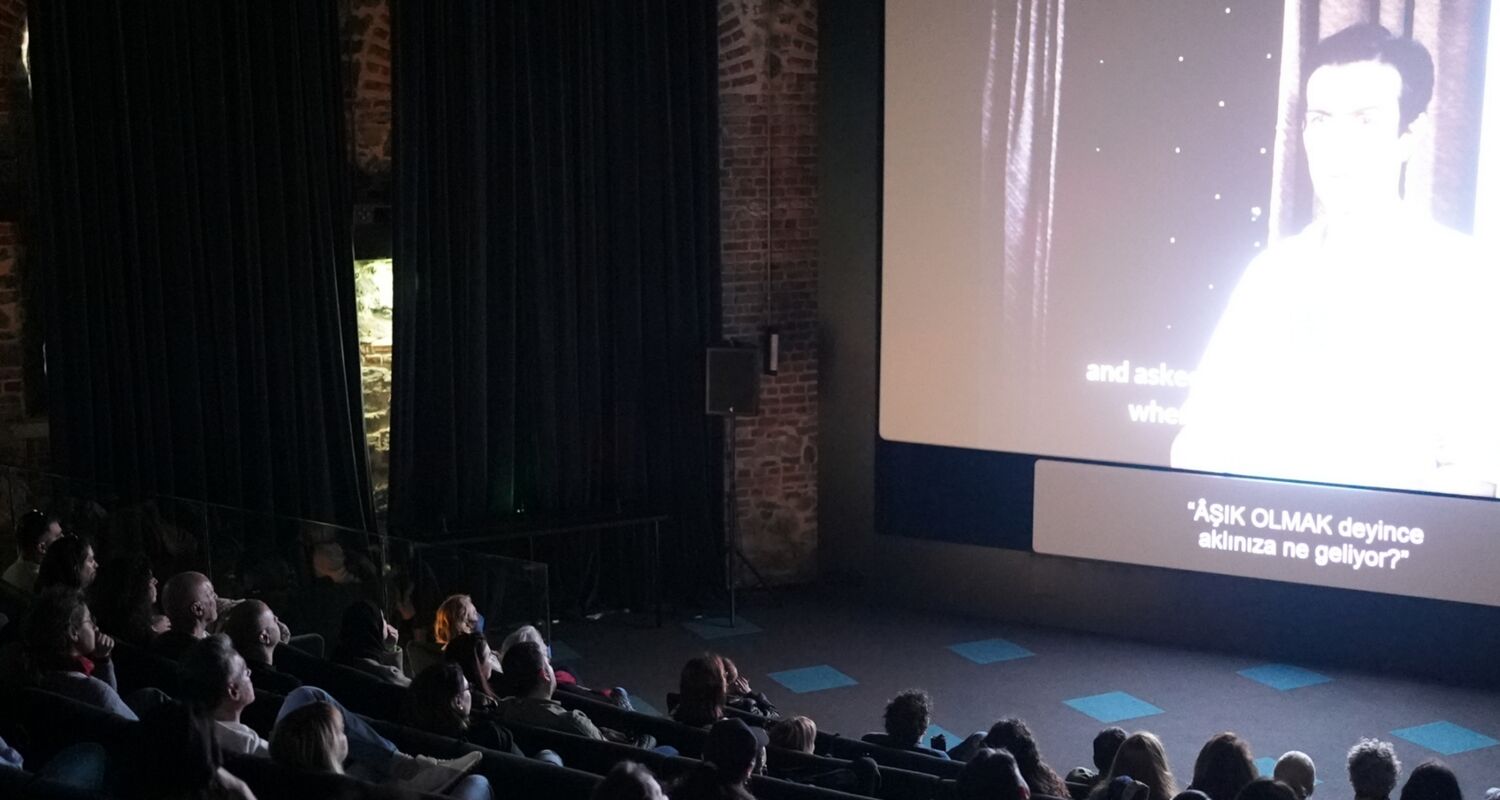
With the cinema, Yildirim draws on both the site’s distinctive history and the socio-political context of modern day Turkey, where access to arthouse cinema is often limited. “We are educating and training our audience,” she says. “It’s a gap we fill in the country. As museums and culture institutions we also work like schools.” To help fulfil this purpose, Beykoz Kundura balances ticketed screenings of popular genre movies (including some of the classic musicals which were once shown in the factory workers’ cinema) with free screenings of documentaries and archival programmes. “If we are showing a feminist film, or more experimental documentaries from Chile for example, I don’t ticket for those screenings, because we are not there yet. But if we run a musical, or a restored classic, we do because the audience profile is also different for that.”
Beykoz Kundura’s positioning outside of the heart of the city, means it takes some effort to get there. To reward that effort, the team behind the cinema seek to create a cultural destination worth getting lost in, a refuge away from the rush of modern life. “Once they enter Beykoz Kundura, they should enter another world, they should enjoy and explore,” explains Yildirim. “I always try to encourage our audience and participants… Our guests also to create meaning. If they are going to come all this way, to travel, to come here, it should be a meaningful event; it should become a ritual.”
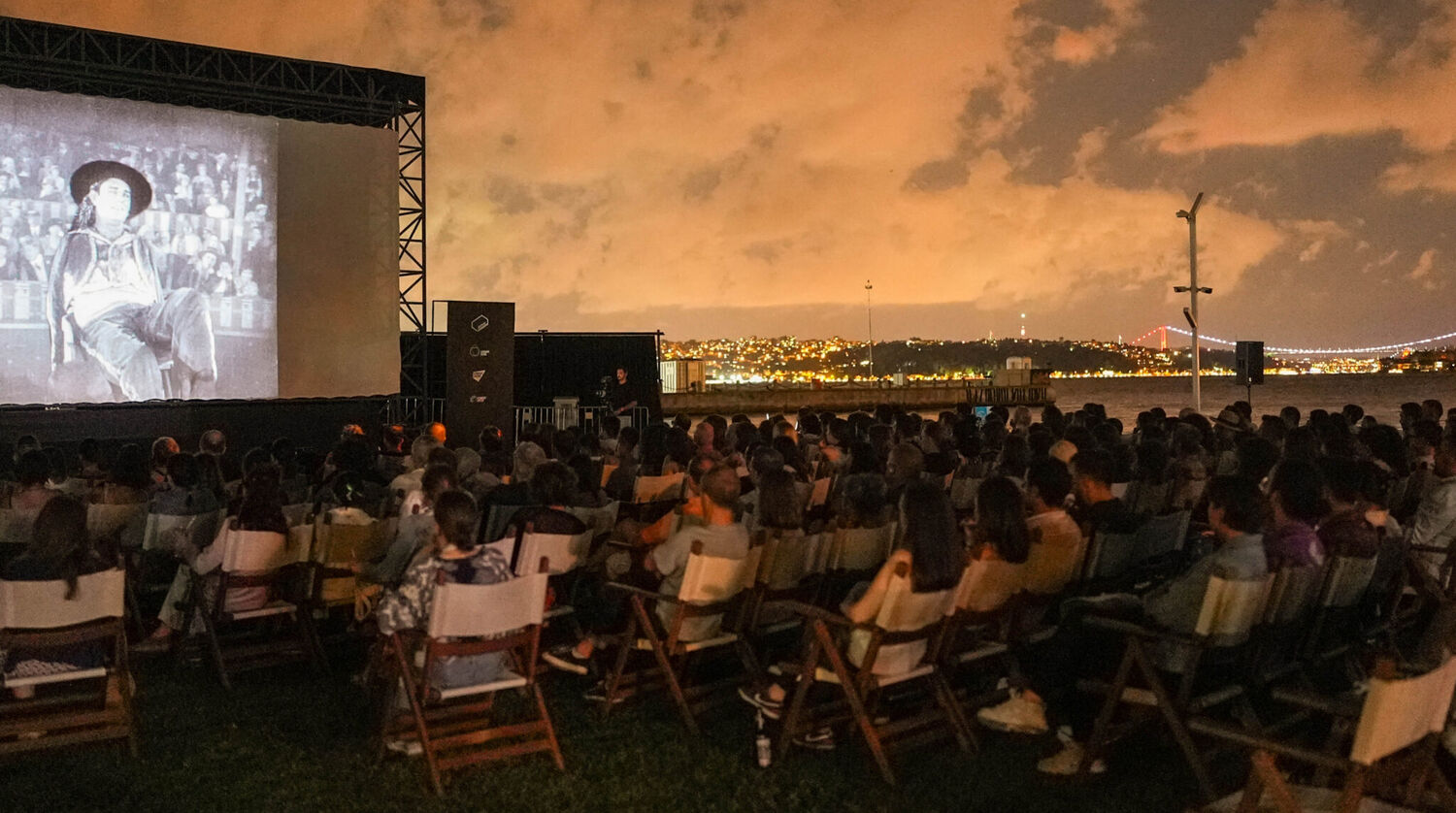
As the cinema’s beautiful location on the banks of the Bosporus emphasises, Istanbul is a city which straddles Europe and Asia. This sense of Istanbul as a cultural crossing point, is emphasised by the global scope of their programme, and especially in the highly international participants in the venue’s annual DocLab, which brings together cinema and theatre makers to develop non-fiction projects. This artist development scheme emphasises how the cinema is actively trying to support the emergence of new voices from the region and beyond.
That work in supporting emerging voices is particular important within the specificcontext of present day Turkey. Censorship in the country has become a more visible issue internationally in recent years, as demonstrated by the recent festival success of films like İlker Çatak’s Yellow Letters and Emin Alper’s Salvation, which explicitly examine Turkey’s contemporary socio-political climate. Part of what makes the situation hard to navigate, is the ever-shifting nature of that political discourse. “In Turkey we don’t have this legal, clearly defined censorship, but we do have this self-censorship, which is more challenging and complicated,” says Yildirim. Here, once again, a shift of focus to look back at the history of cinema can be informative. “Everything’s changing, we are in such a transition globally. That's why it's important to be able to go back and to understand how things were. We should get rid of these official narratives and stories, and look more at personal stories, personal biographies, narratives. How they were dealing with censorship in the past?”
Above all, Yildirim emphasises the important interactions between an audience and a cinema, which give a venue as sense of purpose and place. “Today everybody can watch everything in anywhere, from their streaming platforms, from their mobile phones, everywhere,” she says. “So as a cinema, where do you position yourself in film exhibition, and with your audience? What kind of relationship are you building I think it's important, within the super individualistic neoliberal system we have, to keep the cinema as a collective space.” As this emphasis on audiences suggests, place-making is as much about people as it is about the bricks and mortar of our cinema buildings we operate. Ultimately, it is people who make place; build it, and they will come.
01.10.2026

Rachel Pronger
Rachel Pronger is a writer, curator and editor based in Berlin. She began her career working for festivals and cinemas across the UK, including Tyneside Cinema, Edinburgh International Film Festival and Alchemy Film & Arts. She has served as a programme advisor for Sheffield DocFest, BFI London Film Festival, Alchemy Film & Arts and Aesthetica Short Film Festival. Her writing on film and visual art has been published by outlets including Sight and Sound, Documentary Magazine, The Guardian, MUBI Notebook, Art Monthly and BBC Culture, and she is the co-editor of online journal Cinema of Commoning. Rachel is also the co-founder of Invisible Women, an archive activist feminist film collective which champions historic work by women and marginalised gender filmmakers through curation, events and editorial. more from the author